When you pull up to a gas station in the St. Louis area, you have a choice between regular, midgrade, and premium fuel. With prices fluctuating and pumps offering multiple octane levels, it can be hard to tell if premium gas actually makes a difference, or if it’s just an unnecessary upgrade. From daily commutes on I-270 to weekend trips across Missouri, choosing between premium gas vs regular can impact performance, efficiency, and long-term engine health. Learn everything you need to know.
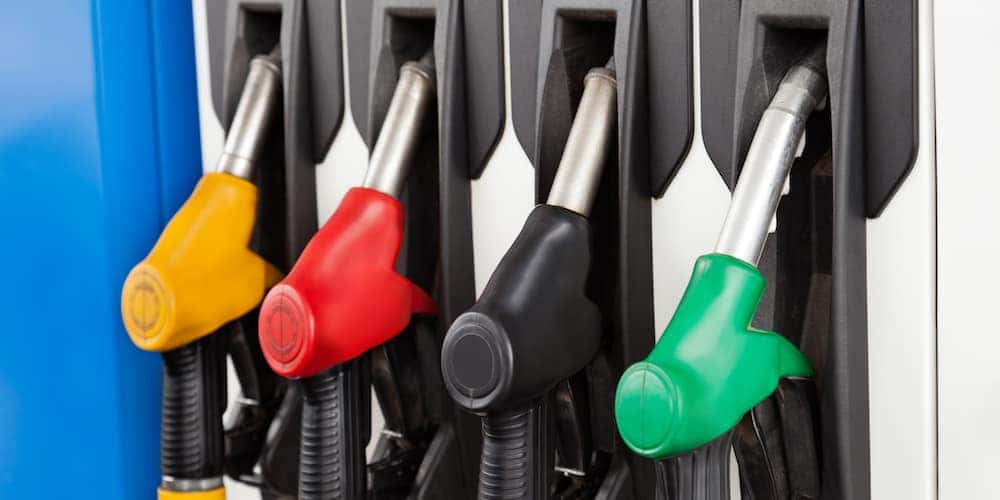
The main difference between regular and premium gasoline comes down to octane rating, not overall fuel quality. Octane measures a fuel’s ability to resist engine knock, which occurs when fuel ignites too early inside the engine. Regular gas typically has an octane rating of 87, while premium ranges from 91 to 93.
Higher octane fuel does not contain more energy, nor does it automatically make your car cleaner or faster. Instead, the difference is how each performs under high compression. Engines designed for premium fuel need that higher octane to operate properly, while engines designed for regular gas see no added benefit from premium.
For St. Louis drivers, this distinction matters because using the wrong fuel can impact performance and cost without improving reliability.
Not every car on St. Louis roads needs premium fuel, but some engines are specifically engineered for it. Understanding why helps clarify the premium gas vs regular gas debate.
High-performance and luxury vehicles often use higher compression ratios or turbocharging to generate more power. These designs increase the likelihood of engine knock if lower-octane fuel is used.
Some vehicles commonly seen around the St. Louis area, including turbocharged models and certain Audi, BMW, Mercedes-Benz, and performance-focused Volkswagen trims, require premium fuel. In these engines, premium gas allows the engine to operate as designed, delivering proper power and efficiency.
Most sedans, SUVs, and trucks on Missouri roads are built to run on regular gas. In these vehicles, using premium fuel does not improve acceleration, fuel economy, or engine life. This is where confusion around premium vs regular gas often leads drivers to overspend without real benefit.
One of the most common questions drivers ask is whether premium gas increases speed or performance. The short answer is only if your engine is designed for it.
Premium fuel can help prevent knock in high-compression engines, allowing them to reach their intended performance levels. However, in vehicles designed for regular fuel, premium gas does not add horsepower or make the car faster.
In everyday St. Louis driving, most drivers will not feel a difference unless their vehicle specifically requires premium.
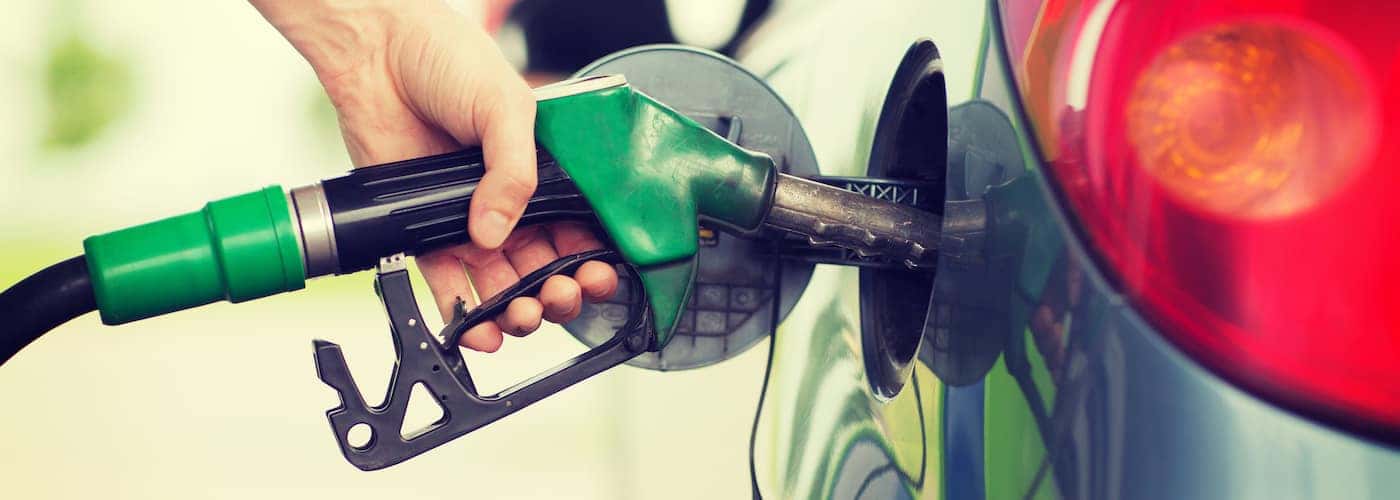
Whether premium fuel is worth the added expense depends entirely on your vehicle and driving habits.
Premium gas is worth the cost when your manufacturer requires it. Using regular fuel in these engines can lead to reduced performance and, over time, potential engine issues.
If your vehicle is designed for regular fuel, premium gas provides no measurable advantage. For daily commuting around the St. Louis metro, regular fuel is often the most cost-effective and appropriate option.
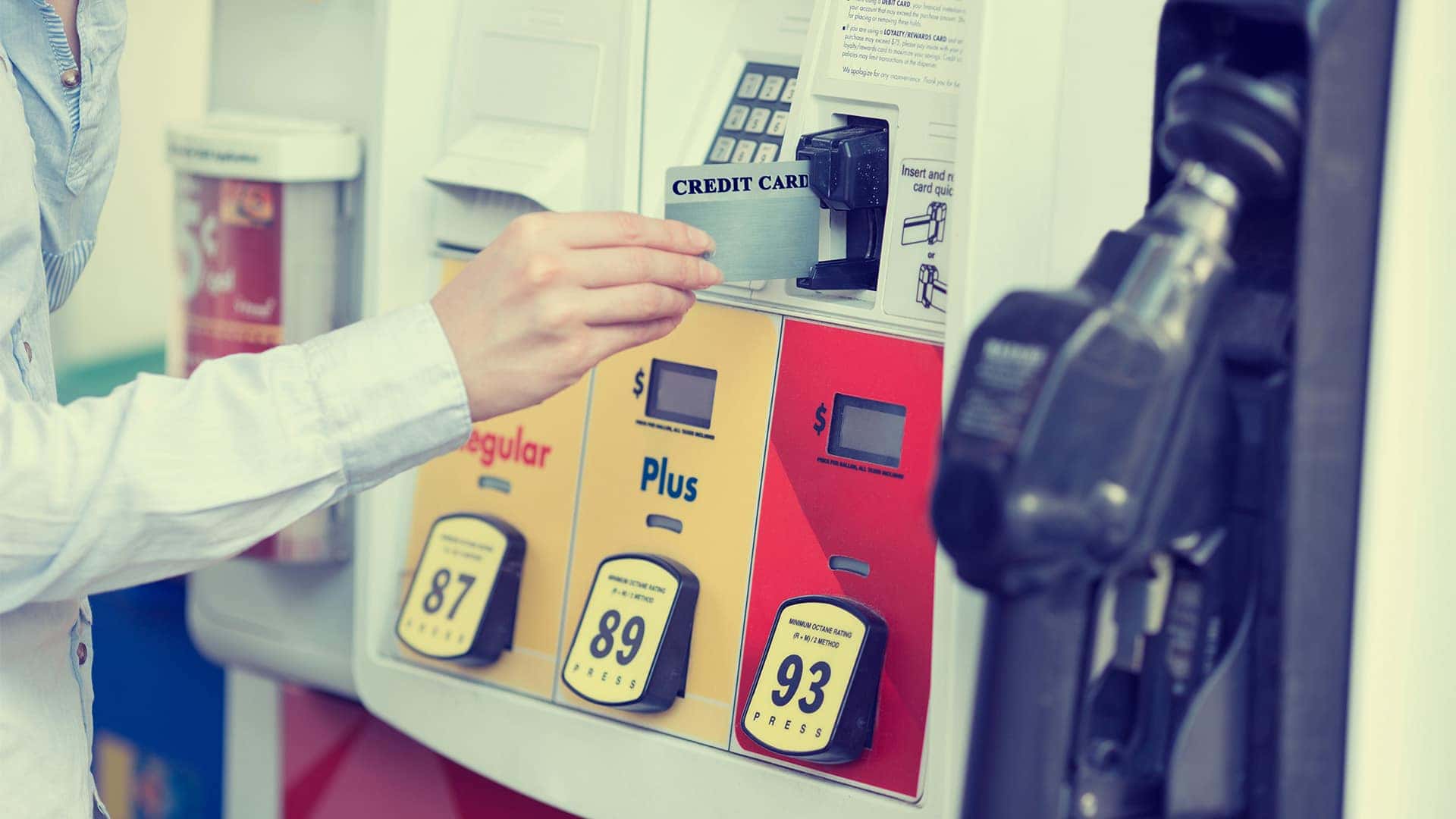
Using the correct fuel matters more than using the most expensive fuel. Engines designed for premium rely on higher octane to prevent knock, while engines designed for regular operate most efficiently with lower octane fuel.
Consistently using the wrong type of gas can affect efficiency and performance, even if it doesn’t cause immediate damage. Choosing the right fuel for your vehicle is one of the simplest ways St. Louis drivers can support long-term engine health.
Does premium gas make your car faster?
Only vehicles designed for premium fuel benefit from it. In regular-fuel engines, premium does not increase speed or power.
Is it OK to switch between premium and regular?
In vehicles that recommend but don’t require premium, switching is usually safe. Vehicles that require premium should consistently use it.
Can premium gas clean your engine?
Premium fuel does not clean engines better than regular. Detergent additives, not octane, determine cleanliness.
Is it worth the extra cost to get premium gas?
Premium is worth it only if your vehicle requires it. Otherwise, regular fuel is typically the better value.
Understanding premium gas vs regular fuel helps you make smarter choices at the pump, but every vehicle is different. The Suntrup Automotive Group service center can help you confirm fuel requirements, check engine performance, and find service specials that keep your vehicle running efficiently on St. Louis roads. Schedule a service visit today and let our team help you fuel your car the right way.
Reliability is the most important variable in a used vehicle purchase. A lower sticker price means nothing if the model you’re buying carries a history of expensive repairs. The right SUV, with the right history, delivers years of low-cost ownership. The wrong one costs you more than you saved by the second year. These…
Quick Answer Yes. Bad credit does not disqualify you from financing a vehicle in St. Louis. Subprime auto loans exist specifically for buyers in this situation, and dealership finance departments like Suntrup Automotive work with low-credit buyers regularly. You will likely pay a higher interest rate, and a down payment will improve your chances. The…
It is one of the first questions people ask when they start thinking about financing a vehicle, and the honest answer is that there is no single number that unlocks car ownership. Lenders set their own standards, and those standards shift depending on whether you are financing new or used, how much you are putting…


