St. Louis drivers deal with just about every road condition imaginable. One week it’s 95 degrees with blazing asphalt, the next it’s freezing rain, slush, or an unexpected snowfall that turns I-64 into a slow crawl. That variety makes knowing how to choose car tires especially important for drivers across the metro area.
Whether you’re commuting downtown, driving county back roads, or heading west on I-70, understanding the differences between summer, winter, all-season, and all-weather tires helps you make decisions that fit St. Louis conditions year-round.
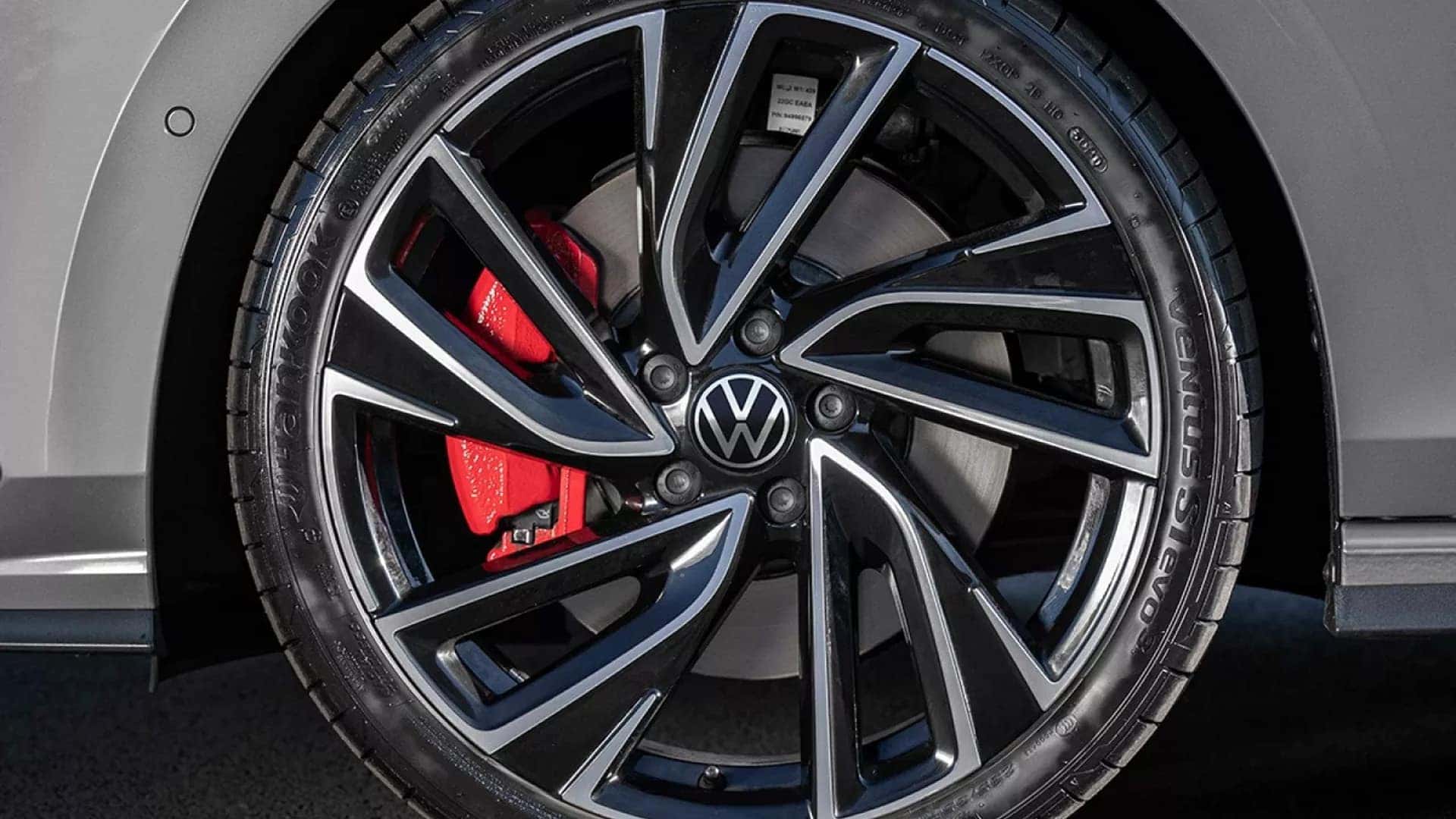
Tires are engineered with specific rubber compounds and tread designs to perform best in certain temperature ranges and conditions. Heat, cold, moisture, and road texture all affect how rubber grips the pavement. That’s why manufacturers don’t make a single “do-it-all” tire.
In St. Louis, where temperatures can range from below freezing to well over 90 degrees in the same year, choosing the wrong tire type can mean longer stopping distances, reduced control, or premature wear. Learning how to choose car tires starts with understanding what each category is designed to do and where it falls short.
Summer tires are designed to deliver maximum grip and responsiveness in warm weather. They use firmer rubber compounds that hold their shape in high temperatures, making them popular for performance vehicles and drivers who prioritize handling.
That performance comes with tradeoffs:
Because of this, you cannot safely use summer tires all year long in the St. Louis area. Once winter arrives, summer tires become a liability rather than an advantage.
Winter tires are built specifically for cold temperatures, snow, and ice, which are conditions St. Louis drivers know all too well during Midwest winters. Unlike summer or all-season tires, winter tires remain flexible in freezing weather, allowing them to grip the road when other tires stiffen and slide.
Tread Design and Snow Grip: Winter tires use deeper grooves and extensive siping (small cuts in the tread) to grip snow and bite into ice. This design helps maintain control on untreated roads, slushy intersections, and icy overpasses common around St. Louis during winter storms.
Cold-Weather Rubber Compounds: The softer rubber compound in winter tires stays pliable in low temperatures. That flexibility dramatically improves braking distance and steering response when roads are cold even when there’s no visible snow.
Winter Tires in the Summer: While winter tires excel in cold conditions, you should not use them in the summer. Warm pavement causes the soft rubber to wear quickly, reduces handling precision, increases road noise, and negatively impacts fuel economy. In short, the answer to can you use winter tires in the summer is that you can—but you shouldn’t.
All-season tires are designed to balance performance across a wide range of conditions, making them the most popular option for drivers throughout Missouri. They’re built to handle moderate heat, light snow, and wet roads reasonably well, without excelling in extreme conditions. For many drivers, all-season tires are a practical solution.
That said, a common question is are all season tires good in snow. The answer depends on expectations. All-season tires are fine for light snow and well-plowed roads, but they cannot match the traction or braking performance of true winter tires during ice events or heavy snowfall.
All-weather tires sit between all-season and winter tires. They are designed for drivers who want one set of tires year-round without sacrificing cold-weather safety. Unlike standard all-season tires, all-weather tires are rated for severe snow service and carry the three-peak mountain snowflake symbol.
For St. Louis drivers who experience winter conditions but don’t want to swap tires seasonally, all-weather tires offer a strong compromise. They handle snow and cold better than all-season tires while avoiding the rapid wear associated with using winter tires in warm weather.
Choosing the right tire affects how your vehicle behaves on the road. Understanding these differences is key when learning how to choose car tires for St. Louis driving.
Winter tires consistently provide the shortest stopping distances in cold and icy conditions. Summer tires perform best on hot, dry pavement. All-season and all-weather tires fall in between, offering balanced performance rather than peak capability.
St. Louis freeze-thaw cycles create slick conditions even without snow. Tires designed for cold weather maintain better grip during these transitions, especially at intersections and shaded roadways.
Low rolling resistance tires can improve fuel efficiency. Winter tires typically reduce fuel economy slightly due to softer compounds and aggressive tread patterns.
Temperature changes affect tire pressure more than many drivers realize. As temperatures drop, tire pressure decreases. Maintaining proper inflation is one of the most important car tire tips for extending tire life and improving safety.
Drivers should:
How you drive matters just as much as what tires you choose. Smooth acceleration, gradual braking, and avoiding potholes help extend tire life. St. Louis roads can be rough after winter, and hitting potholes at speed can damage sidewalls and throw off alignment.
Regular tire rotations and alignments are especially important for city drivers who encounter frequent stops, tight turns, and uneven pavement.
Tire replacement depends on tread depth, age, and driving conditions. Even if tread looks adequate, tires can harden over time, reducing grip. If your tires struggle in rain, feel unstable in cold weather, or show uneven wear, it’s time for a professional inspection. Learning how to choose car tires also means knowing when your current ones are no longer doing their job.
What’s the difference between winter, summer, and all-season tires?
Each is designed for specific temperature ranges and conditions, affecting traction, braking, and wear.
Which type of tire is best for driving in St. Louis winters?
Winter tires offer the best cold-weather performance, while all-weather tires are a strong year-round alternative.
Are all-season tires good enough for year-round driving in Missouri?
They work well for many drivers but may fall short during ice and heavy snow.
Do I really need winter tires if I have all-wheel drive (AWD)?
AWD helps with acceleration, but it does not improve braking or turning — tires still matter.
How long do each type of tire last?
Lifespan depends on tire type, driving habits, and maintenance, but regular inspections help maximize longevity.
Reliability is the most important variable in a used vehicle purchase. A lower sticker price means nothing if the model you’re buying carries a history of expensive repairs. The right SUV, with the right history, delivers years of low-cost ownership. The wrong one costs you more than you saved by the second year. These…
Quick Answer Yes. Bad credit does not disqualify you from financing a vehicle in St. Louis. Subprime auto loans exist specifically for buyers in this situation, and dealership finance departments like Suntrup Automotive work with low-credit buyers regularly. You will likely pay a higher interest rate, and a down payment will improve your chances. The…
It is one of the first questions people ask when they start thinking about financing a vehicle, and the honest answer is that there is no single number that unlocks car ownership. Lenders set their own standards, and those standards shift depending on whether you are financing new or used, how much you are putting…


