


How to Increase Your Car’s Resale Value Through Maintenance
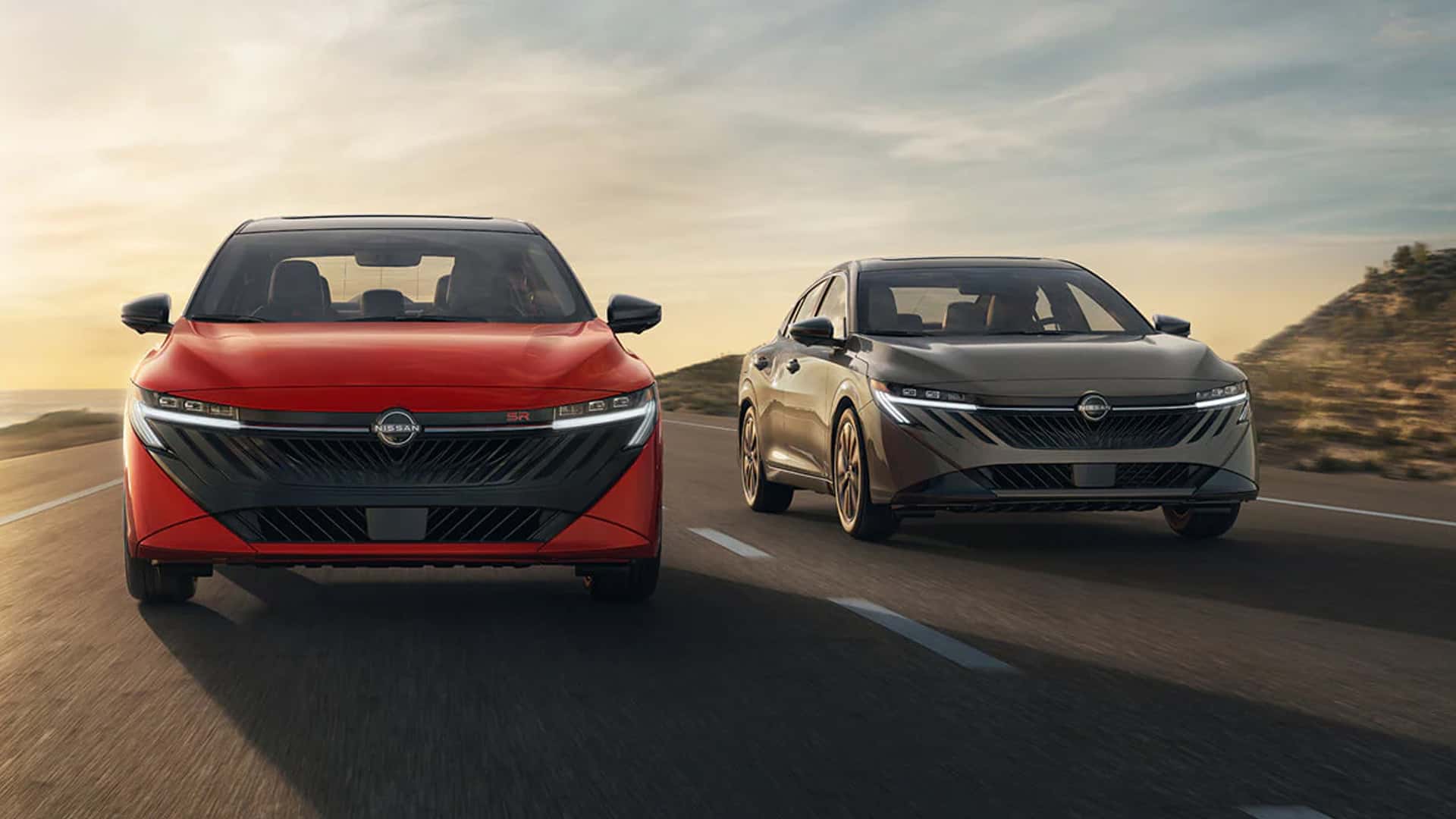
When you drive a brand-new vehicle off the dealership lot, you instantly participate in one of the most predictable financial realities of the automotive world: depreciation. Over the first few years of a vehicle’s life, its market value naturally decreases. However, many car owners do not realize that depreciation is not a completely fixed percentage. You possess an incredible amount of control over how much equity your vehicle retains.
Here is a look at how strategic, routine maintenance directly protects your vehicle’s financial future, keeps your long-term ownership costs low, and ensures you get top dollar when trading your car in across the St. Louis metropolitan area.
The True Financial Power of a Documented Service History
If you want to know how to increase your car’s resale value, the absolute best place to start is in your glove box or digital dashboard.
When an automotive appraiser evaluates a pre-owned vehicle, they are essentially managing risk. A vehicle with an unverified past represents a major financial gamble for a dealership or a private buyer. Conversely, a vehicle that comes equipped with a meticulous, chronological history of service receipts or a verified digital history report immediately shifts the power dynamic in your favor.
A comprehensive service history proves to an appraiser that the vehicle was cared for by a responsible owner who never cut corners. It verifies that critical milestone services—such as transmission fluid flushes, timing belt replacements, and spark plug renewals—were executed precisely on schedule. This paper trail completely neutralizes the fear of hidden internal engine wear or neglected component strain, allowing appraisers to confidently offer the absolute highest tier of your car’s market value.
Ready to find out exactly what your vehicle is worth? Get instant trade-in value from Suntrup Automotive!
Milestone Upkeep That Protects Your Equity
To maximize the financial return on your maintenance efforts, you should focus your energy on servicing the core mechanical systems that buyers and appraisers examine closest.
- Fluid Maintenance: Engine oil, transmission fluid, coolant, and brake fluid degrade over time, losing their ability to protect internal systems. Adhering strictly to your manufacturer’s recommended oil change intervals prevents the buildup of dangerous engine sludge. When an appraiser checks the fluid quality, clean fluid signals an internal ecosystem that is free from excessive wear.
- Braking Systems and Suspension Health: A car that hesitates during braking or exhibits a loose, bumpy ride during a pre-purchase test drive will immediately trigger a lower trade-in valuation. Dealerships must account for the reconditioning costs required to make a pre-owned vehicle safe for the next owner. By replacing worn brake pads, turning rotors, and ensuring your shocks are operating smoothly, you eliminate the red flags that cause appraisers to deduct hundreds of dollars from your trade-in estimate.
- Tire Preservation and Alignment: Tires represent one of the most expensive routine replacement items on any vehicle. If you bring a car to a dealership with uneven tread wear, bald spots, or mismatched brands, the cost of an immediate new set of rubber will be subtracted directly from your vehicle’s appraisal value. Rotating your tires every 5,000 to 7,000 miles and keeping your wheels perfectly aligned preserves your tread life and showcases a beautifully balanced chassis.
Cosmetic Preservation: The Psychology of First Impressions
While mechanical durability forms the foundation of a vehicle’s worth, the visual presentation is what sets the emotional hook for an appraiser or a private buyer. The way a car looks on the outside heavily influences how people assume it runs on the inside.
Regular washing and seasonal waxing provide exterior paint armor. The paint on your vehicle is its primary shield against environmental hazards. Road salt used during harsh St. Louis winters, bird droppings, tree sap, and intense UV rays can permanently damage your clear coat, leading to premature rust and unsightly oxidation. Washing your car regularly and applying a high-quality seasonal coat of wax or ceramic sealant seals the microscopic pores of your paint, preserving that high-gloss showroom shine that commands top dollar on a dealership lot.
Interior conditioning is also an absolute necessity for value preservation. Vacuuming your carpets frequently prevents dirt particles from grinding down and fraying the fabric fibers. If your vehicle features a premium leather interior, using specialized leather conditioners prevents the upholstery from drying out, cracking, and tearing under the summer sun. Furthermore, maintaining a strict non-smoking policy inside the vehicle is completely non-negotiable; permanent smoke and pet odors are among the fastest ways to decimate a vehicle’s resale potential. Erasing these minor red flags ensures a much higher return on your investment.
Secure Your Next Automotive Investment with Suntrup
Ultimately, viewing your vehicle’s routine maintenance schedule as an active investment rather than a generic chore is the smartest financial play you can make as an owner. Taking care of your engine, keeping your cabin immaculate, and visiting a professional service center ensures that your vehicle will take care of you when it comes time to sign the title over.
Are you ready to leverage your vehicle’s equity and upgrade to something fresh, efficient, and exciting? The professional team across our premier Suntrup Automotive Group family of dealerships / service centers is standing by to deliver a transparent, premium appraisal experience.
More from Suntrup Automotive Group
Ranking the Most Reliable Used SUVs: What to Know Before You Buy
Reliability is the most important variable in a used vehicle purchase. A lower sticker price means nothing if the model you’re buying carries a history of expensive repairs. The right SUV, with the right history, delivers years of low-cost ownership. The wrong one costs you more than you saved by the second year. These…
Can You Get a Car Loan with Bad Credit in St. Louis?
Quick Answer Yes. Bad credit does not disqualify you from financing a vehicle in St. Louis. Subprime auto loans exist specifically for buyers in this situation, and dealership finance departments like Suntrup Automotive work with low-credit buyers regularly. You will likely pay a higher interest rate, and a down payment will improve your chances. The…
What Credit Score Do You Need to Buy a Car?
It is one of the first questions people ask when they start thinking about financing a vehicle, and the honest answer is that there is no single number that unlocks car ownership. Lenders set their own standards, and those standards shift depending on whether you are financing new or used, how much you are putting…





0 comment(s) so far on How to Increase Your Car’s Resale Value Through Maintenance