


What Credit Score Do You Need to Buy a Car?
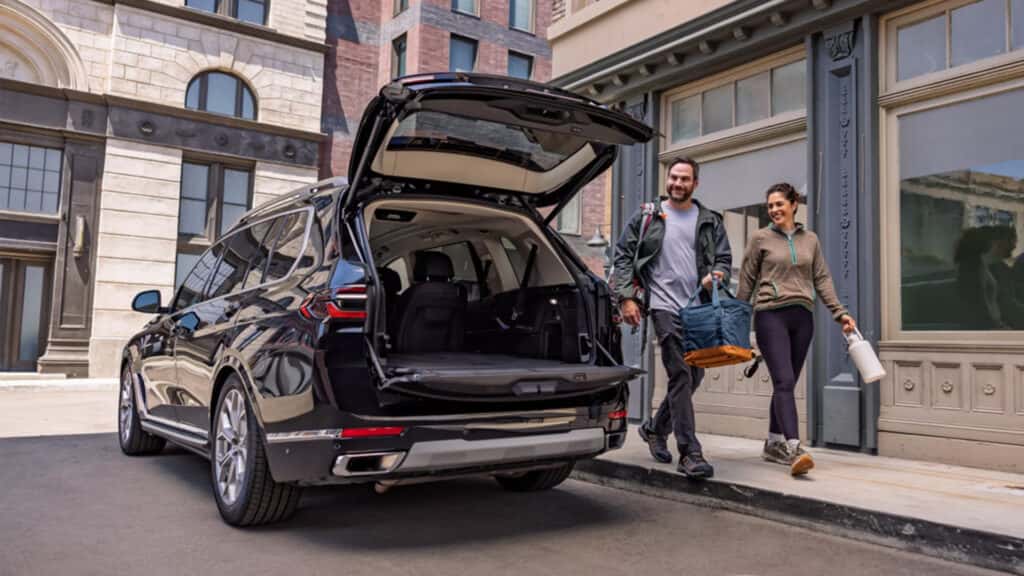
It is one of the first questions people ask when they start thinking about financing a vehicle, and the honest answer is that there is no single number that unlocks car ownership. Lenders set their own standards, and those standards shift depending on whether you are financing new or used, how much you are putting down, and who is actually doing the lending. What does exist is a set of ranges that predict how the process is likely to go for you and a clear picture of your options at every point on the spectrum.
Credit Score Ranges and What They Mean for Car Buyers
Most auto lenders use FICO scores, which run from 300 to 850. Where you land within that range shapes your approval odds and the terms you can expect.
Deep subprime (below 580)
Traditional lenders — banks, credit unions, and most franchise dealerships working through standard financing channels — will rarely approve a loan in this range without significant offsetting factors like a large down payment or a co-signer. Options exist, but they typically come with higher rates and stricter terms.
Subprime (580 to 619)
Approval becomes more accessible here, though you will generally be working with lenders who specialize in higher-risk loans. Expect elevated interest rates and potentially stricter loan-to-value requirements.
Near-prime (620 to 659)
This range opens more doors. Many conventional lenders will approve financing here, though not always at their best rates. A solid down payment and stable income documentation help considerably.
Prime (660 to 719)
Buyers in this range typically qualify with most lenders and can shop competitively for rates. You are unlikely to face approval barriers, and the terms available to you are meaningfully better than what subprime buyers see.
Super-prime (720 and above)
The strongest approval odds and the most favorable rates available. Buyers here have the most negotiating leverage and the widest choice of lenders.
Approval Is Only Half the Question
Getting approved and getting approved on good terms are two different things. A buyer at 610 and a buyer at 750 may both drive off the lot, but the total cost of their loans over four or five years can differ substantially. The rate tied to your credit tier affects your monthly payment, the total interest you pay, and ultimately how much the vehicle actually costs you.
If your score is in a lower tier right now, it is worth running the numbers on what a rate difference actually means for your budget before you commit.
New vs. Used: Does the Loan Type Matter?
It can. Used car loans through traditional lenders sometimes carry tighter credit requirements than new car loans, partly because new vehicles come with manufacturer financing programs that are structured to move inventory. If your credit is on the lower end of the prime range, you may find that financing a new vehicle through a manufacturer’s captive lender is actually more accessible than financing a comparable used vehicle through a bank.
This is worth knowing before you assume a used car is automatically the easier path.
What to Do If Your Score Is Not Where You Want It
Put more down. A larger down payment reduces the lender’s risk and can offset a lower credit score in the approval process. It also reduces the loan amount, which matters for buyers whose scores put them in higher rate tiers.
Consider a co-signer. A co-signer with stronger credit can significantly improve your approval odds and the terms available to you. Keep in mind they are equally responsible for the loan if you miss payments.
Work on your score first. If your timeline allows, even a few months of on-time payments, reduced credit utilization, and no new inquiries can meaningfully move your score. Moving from one tier to the next is not always as far as it looks.
Explore Your Financing Options With Suntrup Automotive
Ready to See Where You Stand?
The best way to understand your options is to start the conversation. Suntrup’s finance team works with buyers across the credit spectrum—from excellent to rebuilding—and can help you find a path forward before you ever step onto a lot.
More from Suntrup Automotive Group
Ranking the Most Reliable Used SUVs: What to Know Before You Buy
Reliability is the most important variable in a used vehicle purchase. A lower sticker price means nothing if the model you’re buying carries a history of expensive repairs. The right SUV, with the right history, delivers years of low-cost ownership. The wrong one costs you more than you saved by the second year. These…
Can You Get a Car Loan with Bad Credit in St. Louis?
Quick Answer Yes. Bad credit does not disqualify you from financing a vehicle in St. Louis. Subprime auto loans exist specifically for buyers in this situation, and dealership finance departments like Suntrup Automotive work with low-credit buyers regularly. You will likely pay a higher interest rate, and a down payment will improve your chances. The…





0 comment(s) so far on What Credit Score Do You Need to Buy a Car?