


Is Hybrid Car Maintenance Expensive?
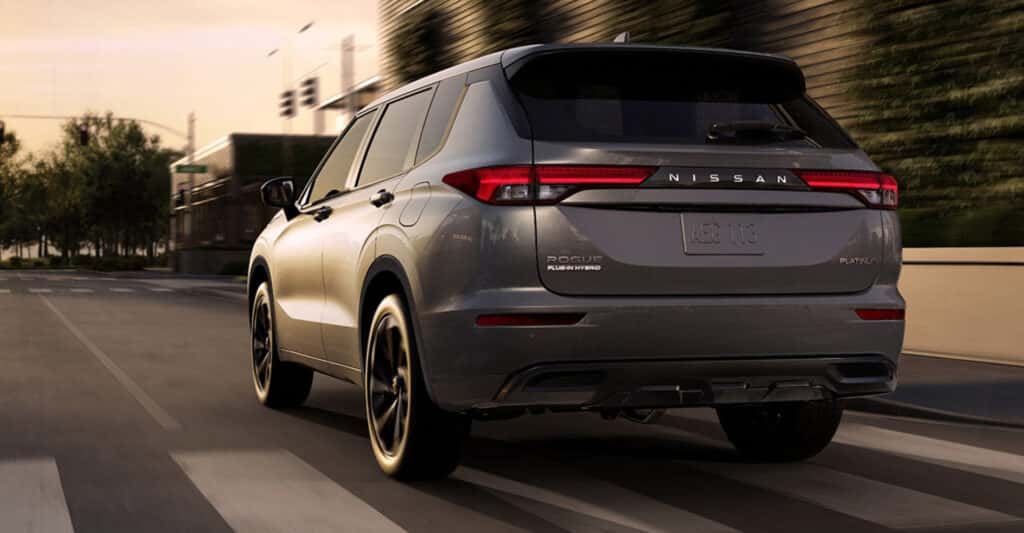
Most St. Louis drivers who come into Suntrup already know they want better fuel economy. Where they get stuck is the follow-up question. What happens when something needs fixing? Hybrids have a reputation for being complicated, and complicated usually means expensive. That reputation, it turns out, is largely undeserved. Here’s what hybrid car maintenance actually looks like when you break it down by the numbers, and why the long-term cost picture tends to surprise people in the best way.
Hybrid vs Gas Car Maintenance: The Big Picture
The first thing to understand about hybrid vs gas car maintenance is that hybrids aren’t just gas cars with an extra battery. They’re engineered to reduce the strain on conventional mechanical components, which translates directly into fewer service visits and lower bills over time. Multiple studies and AAA’s annual driving cost data consistently show that hybrid owners spend meaningfully less on maintenance and repair than their gas-only counterparts, not because hybrids are simpler, but because their design reduces wear on the parts that tend to fail most often.
Here’s where those savings show up most clearly:
- Brake services are needed far less often due to regenerative braking
- Oil change intervals are longer because the gas engine runs less frequently
- Cooling system flushes are less frequent thanks to more efficient thermal management
- Transmission fluid services are reduced or eliminated on many hybrid models
Let’s break each of these down.
Oil Changes
Yes, hybrids still need oil changes, but less frequently than a conventional gas engine. Because a hybrid’s internal combustion engine switches off regularly and shares the workload with an electric motor, it runs less often and at more consistent temperatures. That means less stress on the oil and longer intervals between changes. Where a gas vehicle might need an oil change every 5,000 miles under normal driving conditions, many hybrids can stretch to 7,500 or even 10,000 miles between services depending on the model. Over several years of ownership, that’s a meaningful reduction in both trips to the service center and money out of your pocket.
Brake Pads
This is where hybrid car maintenance starts to look genuinely impressive. Hybrids use regenerative braking, a system that captures energy during deceleration and uses it to recharge the battery rather than burning it off as heat. The practical result is that your physical brake pads do far less work than they would on a gas car. Consider the difference:
- Gas vehicles typically need brake pad replacement every 25,000 to 30,000 miles
- Hybrid owners routinely see 70,000 to 80,000 miles or more before pads need attention
- That’s two to three fewer brake services over a typical ownership period
It’s a significant long-term saving that many buyers never factor in when comparing sticker prices on the lot.
The Battery Question
This is the one that stops people in their tracks. Hybrid battery replacement costs can range from around $2,000 on the lower end to $8,000 or more for some models, depending on make, model, and whether you go with a remanufactured or new unit. That’s a real number and it’s worth taking seriously. But here’s the context most shoppers are missing:
- Most hybrid batteries last 10 years or more under normal driving conditions
- Virtually every major automaker backs hybrid batteries with an 8 to 10 year, 100,000 mile warranty
- For most first and second owners, battery replacement is simply not a near-term expense
- By the time replacement becomes relevant for most owners, fuel savings have more than offset the cost
If you’re buying a new hybrid today from Suntrup, the battery concern is largely covered before it ever becomes a factor for your wallet.
Hybrid Maintenance Schedule: What to Expect
A standard hybrid maintenance schedule looks a lot like a conventional vehicle’s in terms of the basics, including tire rotations, air filters, and fluid checks. The key differences are in frequency and the elimination of certain services entirely. What stays consistent is the importance of keeping up with scheduled maintenance. Staying current on the following keeps your hybrid running at its best:
- Battery cooling system inspection and filter cleaning
- Inverter coolant replacement per manufacturer intervals
- Tire rotations and standard fluid checks
- Spark plug replacement, which may run on a slightly different schedule than gas vehicles
Suntrup’s service centers are fully equipped to handle hybrid car maintenance across all the brands we carry, so there’s no searching for a shop that knows your vehicle.
Hybrid Fuel Savings: The Other Half of the Equation
Any honest conversation about hybrid car maintenance costs has to include what you’re saving at the pump. Hybrid fuel savings are where the math really starts to shift in the hybrid’s favor. The U.S. Department of Energy estimates hybrid owners can save up to $1,500 per year on fuel compared to conventional gas vehicles. In a city like St. Louis where daily commuting and highway driving both factor in, those savings add up fast. Spread across five to ten years of ownership:
- Fuel savings alone can offset the higher purchase price on many models
- Combined with reduced brake and oil change costs, the long-term picture is consistently competitive
- AAA’s 2025 driving cost data shows hybrid sedans and SUVs regularly beat their gas equivalents in total annual cost
When you put it all together, hybrid ownership is not the financial burden many shoppers fear. It’s a different set of costs than a gas car, and for most drivers, a smaller one.
Find a Hybrid Car for Sale in St. Louis With Suntrup
The team at Suntrup Automotive Group is here to walk you through what hybrid car maintenance costs mean for your budget and your lifestyle. Browse our full hybrid vehicle inventory, explore options from Hyundai, Kia, Nissan, and more, or check out our current service specials if you’re already a hybrid owner due for your next visit.
Stop by any of our locations or contact us today. We’d love to help you find the right hybrid car for sale in St. Louis.
More from Suntrup Automotive Group
Buying a Car After Bankruptcy in Missouri: What You Actually Need to Know
Bankruptcy is not the end of auto financing. It is a reset, and the path back to an approved loan is more accessible than most buyers expect when they come out the other side. Missouri residents navigating Chapter 7 or Chapter 13 have financing options available, and many drive off a lot while the bankruptcy…
The Best Vehicles for Teen Drivers: Safety, Reliability, and the Right Starting Point
The vehicle a new driver learns on matters more than most parents account for. A reliable, well-equipped car keeps insurance costs manageable, supports new drivers with built-in safety technology, and removes a category of risk that comes with worn brakes, outdated crash performance, or absent driver-assist features. The wrong first vehicle is an expensive lesson….
Ranking the Most Reliable Used SUVs: What to Know Before You Buy
Reliability is the most important variable in a used vehicle purchase. A lower sticker price means nothing if the model you’re buying carries a history of expensive repairs. The right SUV, with the right history, delivers years of low-cost ownership. The wrong one costs you more than you saved by the second year. These…





0 comment(s) so far on Is Hybrid Car Maintenance Expensive?