


What Causes Check Engine Light to Turn On? 6 Common Reasons Explained
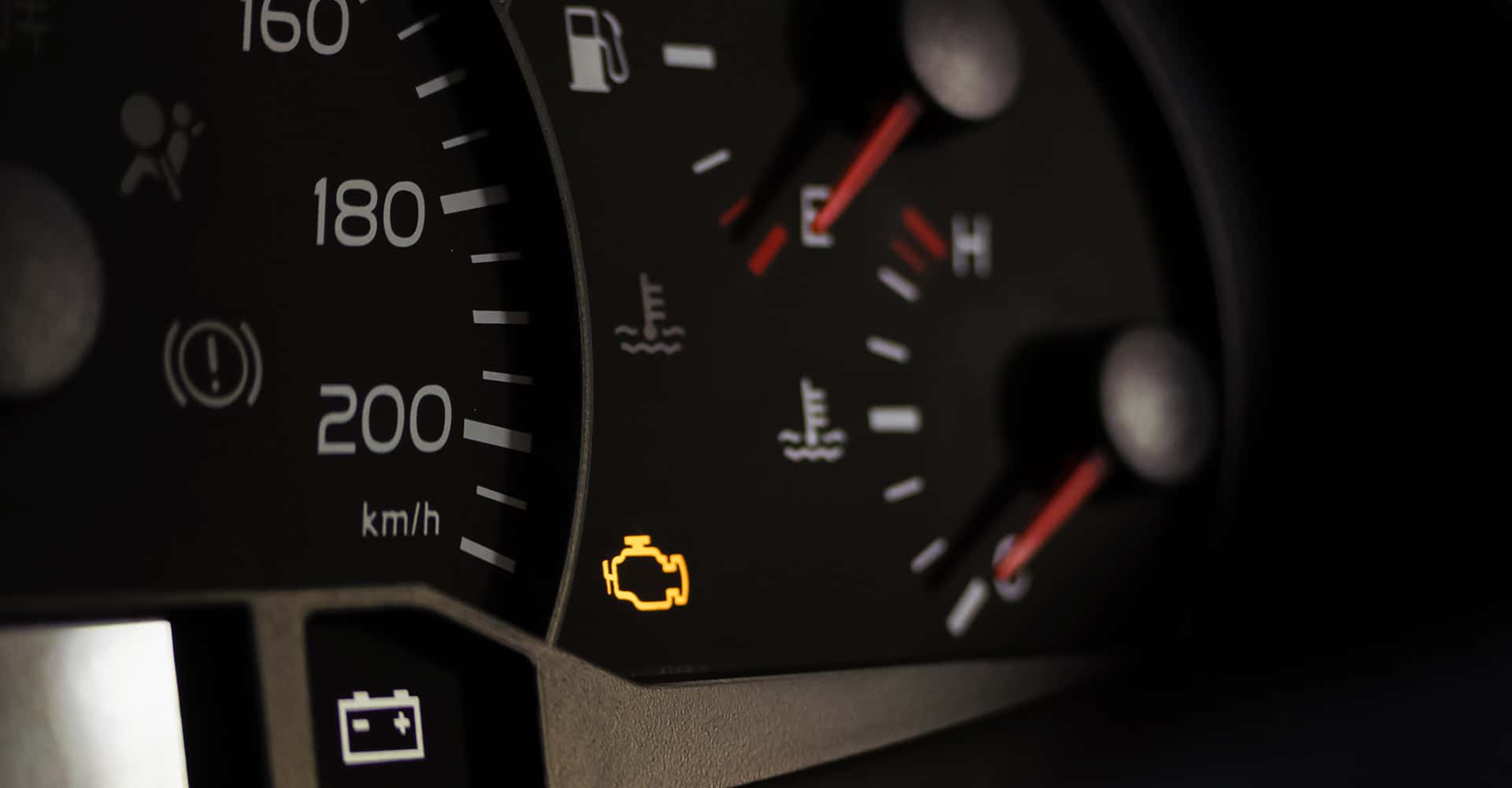
Seeing that little engine icon glow on your dash can put you on edge fast. You might be headed down I-64, running errands in South County, or starting the car in a cold driveway and suddenly the light is there. Before you jump to worst-case scenarios, remember what causes check engine light warnings is often something small, and even when it is serious, catching it early can keep the repair simpler and less expensive.
First, Check the Urgency
The quickest way to judge how urgent the situation is comes down to one detail: is the light flashing or steady? A flashing check engine light is the one you should treat as time-sensitive, especially if the vehicle feels rough, shakes, or loses power. A steady light usually means you can drive carefully for a short time and schedule service soon, as long as the car is not overheating and it still feels normal.
If you are unsure, it is smart to reduce your driving to essentials and book diagnostics. A short visit can tell you whether you are dealing with a minor issue or something that could cause damage if you keep pushing it.
Loose Gas Cap and EVAP Leaks
This one surprises people because it feels too simple to be true, but it is one of the most common reasons for check engine warning lights. Modern vehicles monitor fuel vapors closely through the EVAP system. If the gas cap is not sealing correctly, or if a small EVAP hose or valve is leaking, the system can flag the issue and turn the light on. The car can still drive perfectly, which is why drivers often ignore it.
In many cases, tightening the cap until it clicks and driving normally for a bit can resolve it. If the light stays on, the next step is a diagnostic scan to confirm whether the problem is the cap itself or a small EVAP leak somewhere else. Either way, it is better to know than guess.
Oxygen Sensors and Airflow Sensors
If your vehicle has started to feel a little less smooth or your fuel economy has quietly dropped, sensors are a common culprit. Oxygen sensors help the engine adjust the fuel and air mixture. When one starts failing, the vehicle may still run, but it can run less efficiently and send more emissions through the system than it should. Over time, that can stress other components.
Airflow issues can create similar frustration. A dirty or failing mass airflow sensor, or an air leak in the intake, can cause hesitation, uneven acceleration, or an idle that feels inconsistent. Drivers often describe it as the car “thinking” before it goes. These are not problems you want to chase with random parts. A scan combined with proper testing can quickly confirm what is happening.
Want an answer today instead of guessing all week?
Misfires From Spark Plugs and Ignition Coils
When people hear “engine problem,” they often picture something catastrophic. In reality, one of the more common triggers for a check engine light repair is ignition maintenance that has reached its limit. Spark plugs wear down. Ignition coils weaken. When that happens, the engine can misfire, meaning one or more cylinders is not firing consistently.
Sometimes it starts as a small stumble when you accelerate. Other times the car shakes at idle or feels noticeably down on power. If the light begins flashing, do not brush it off. Repeated misfires can damage the catalytic converter, which is where repair costs can climb quickly. A good diagnostic visit can identify whether it is a plug, a coil, or another cause, and it can help you avoid replacing parts that are not needed.
Catalytic Converter Problems and Efficiency Codes
The catalytic converter is part of the emissions system, and it is one of the components drivers worry about because replacement can be expensive. Converter-related codes can appear for a few different reasons. Sometimes the converter has reached the end of its life. Other times, it is reacting to problems upstream, like misfires or failing sensors, and the converter is the part that gets blamed even though it is not the original cause.
If your vehicle feels sluggish, smells unusual from the exhaust, or has lost power on the highway, it is worth getting checked sooner rather than later. Even if the converter is not the final diagnosis, those symptoms often signal something that should not be ignored.
Cooling System and Temperature-Related Faults
Not every check engine light is about combustion or emissions. Temperature and cooling system issues can also trigger the light. A thermostat that is stuck, or a coolant temperature sensor that is sending incorrect readings, can confuse the computer and cause drivability issues. Some drivers notice inconsistent cabin heat, odd temperature gauge behavior, or a longer warm-up period in colder months.
Cooling problems are the kind you want to handle early. Overheating can cause serious engine damage, and even mild temperature faults can lead to poor efficiency and wear over time. If you ever see the temperature gauge climbing higher than normal, treat that as a separate priority, even if the check engine light is the only warning you see at first.
What It Costs Depends on the Cause, Not the Light
A check engine light is a symptom, not a price tag. A loose cap or a straightforward sensor replacement is typically manageable. Misfires can range from routine maintenance to something more involved. Emissions repairs can get expensive when a problem is ignored long enough to cause secondary damage.
If you want the best chance at keeping costs reasonable, avoid two common traps. First, do not keep driving for weeks hoping the light will go away. Second, do not replace parts based on guesswork or internet anecdotes. The fastest path to savings is accurate diagnosis.
Why Drivers Choose Suntrup for Check Engine Light Diagnosis
If you are searching for check engine light St. Louis help, what you want is clarity. Code readers can pull a code, but a code does not always tell the full story. Many codes have multiple possible causes, and the right fix depends on testing, symptoms, and vehicle history. That is why a dealership service center is a strong option when you want a confident diagnosis and a repair plan that makes sense.
At Suntrup, the goal is simple: identify what causes check engine light warnings on your vehicle, explain the reasons for check engine warning alerts in plain language, and help you decide what needs attention now versus what can be scheduled soon. That way you are not stuck wondering if you made the right call.
Get answers, not guesswork.
More from Suntrup Automotive Group
Ranking the Most Reliable Used SUVs: What to Know Before You Buy
Reliability is the most important variable in a used vehicle purchase. A lower sticker price means nothing if the model you’re buying carries a history of expensive repairs. The right SUV, with the right history, delivers years of low-cost ownership. The wrong one costs you more than you saved by the second year. These…
Can You Get a Car Loan with Bad Credit in St. Louis?
Quick Answer Yes. Bad credit does not disqualify you from financing a vehicle in St. Louis. Subprime auto loans exist specifically for buyers in this situation, and dealership finance departments like Suntrup Automotive work with low-credit buyers regularly. You will likely pay a higher interest rate, and a down payment will improve your chances. The…
What Credit Score Do You Need to Buy a Car?
It is one of the first questions people ask when they start thinking about financing a vehicle, and the honest answer is that there is no single number that unlocks car ownership. Lenders set their own standards, and those standards shift depending on whether you are financing new or used, how much you are putting…





0 comment(s) so far on What Causes Check Engine Light to Turn On? 6 Common Reasons Explained